

Applications
-
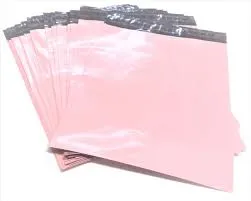
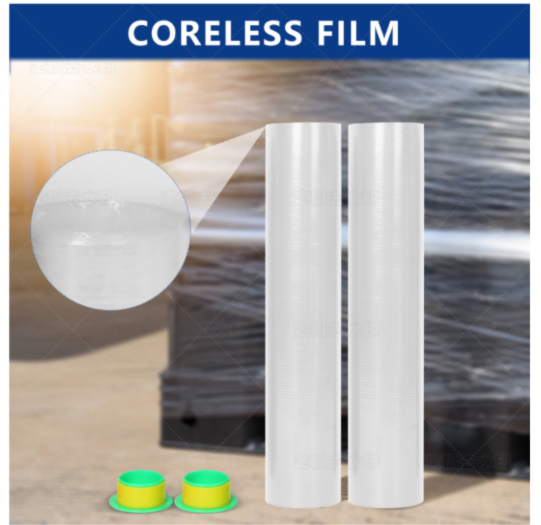
 Application in the field ofWarehouse and logistics
 -
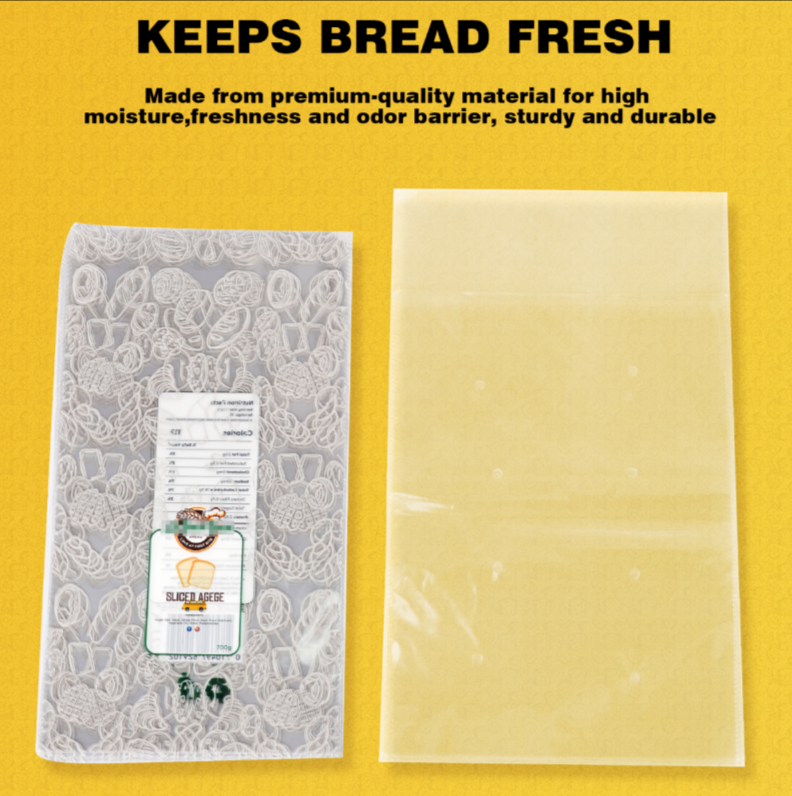
 Application in the field ofFood Packing
 -
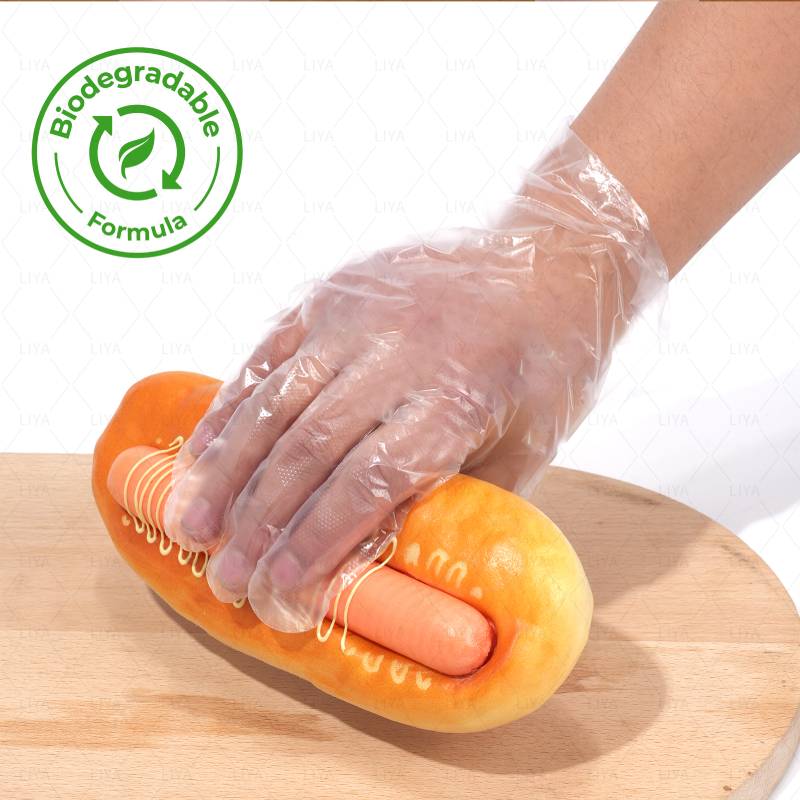
 Application in the field ofBiodegradable
 -
 Application in the field ofbuilding materials integated packing
 -
 Application in the field ofpaper industry
 -
 Application in the field ofHotel Industry
 -
 Application in the field ofauto parts packing
 -
 Application in the field ofApplications
grocery bag manufacturer
What I’m Seeing in Cpp Film Right Now In flexible packaging, cast polypropylene (CPP) has quietly become the workhorse—snack pouches, bakery sleeves, flower wrap, retort laminations, the lot. And, to be honest, the market’s been buzzing: converters want cleaner optics, brands want tougher seals at lower temps, and sustainability teams want mono-material paths that actually run on existing lines. That’s where Cpp Film —especially from factories that control resin sourcing—earns its keep. Origin and Resin Sourcing Cpp Film from LIYA is produced in Plastic Packing Park, Xiongxian, Baoding, Hebei province, China 071800. They source prime PP resins directly from PetroChina, Sinopec, Sabic, Equate, ExxonMobil, Dow Chemical, Total, and Borouge. That direct buy—no mystery blends—usually means tighter spec windows and, surprisingly often, better price stability. Process Flow (Real Plant Notes) Materials: homopolymer/impact-copolymer PP, slip/antiblock masterbatch (≈2000–5000 ppm), optional matte or anti-fog. Method: cast extrusion on polished chill rolls → multi-layer co-extrusion (A/B/A common) → corona treatment → slitting. Testing: ASTM D882 tensile/elongation; ASTM D1003 haze; ASTM F88 seal strength; ISO 8295 CoF; ISO 62 moisture; QC retains per lot. Service life: around 12–24 months in cool, dry storage (real-world use may vary). Industries: food & bakery, floriculture, apparel, labels, tobacco, personal care, electronics (dust covers), laminations. Product Specifications (Typical, not absolute) Property Typical Value Method Thickness 18–60 μm (custom up to 100 μm) Micrometer Density ≈0.90 g/cm³ ISO 1183 Haze ≤3–5% (clear grade) ASTM D1003 Tensile Strength (MD/TD) 60–120 / 120–200 MPa ASTM D882 Elongation at Break >350% MD / >200% TD ASTM D882 Coefficient of Friction 0.20–0.40 (one/both sides) ISO 8295 Heat Seal Init. Temp ≈105–120°C (seal layer) Lab hot tack Seal Strength 8–18 N/15 mm ASTM F88 WVTR / OTR ≈2–7 g/m²·day / ≈1000–2000 cc/m²·day ASTM F1249 / D3985 Where It’s Winning Cpp Film shines in horizontal form-fill-seal bakery packs (low-temp seals, good stiffness), bouquet sleeves (clarity + tear), and as a heat-seal layer in PE/PA/AL laminates. Some electronics lines like its low static; others specify anti-fog for chilled produce. One QC manager told me, “We finally stopped fiddling with jaw temps at 3 a.m.”—that’s the seal window doing its job. Vendor Comparison (What buyers actually ask me) Vendor Resin Traceability Optics Lead Time Customization LIYA (China) Direct from majors; lot-level COA Low haze, high gloss 2–4 weeks (typ.) Slip/COF, AF, matte, corona, widths Regional Converter A Mixed sourcing Moderate haze 1–3 weeks Standard SKUs Import Aggregator B Varies by batch Inconsistent 4–8 weeks Limited Customization and Compliance Options include anti-fog, matte, pearlized, metalizable base, and treated/non-treated faces. Certifications frequently requested: ISO 9001/14001, food-contact conformity (e.g., U.S. FDA 21 CFR 177.1520; EU 10/2011) and RoHS/REACH declarations. Ask for migration and NIAS statements if you’re in retort or fatty-food applications. Mini Case Study A bakery in the Gulf swapped older BOPP/CPP laminate for a mono-CPP printable structure. Results after 60 days: seal temp down ≈10°C, jaw dwell cut 15%, pack clarity up (haze from 6.2% to 3.8%), and—this was unexpected—line stoppages for seals dropped by about a third. I guess when your film’s profile is consistent, operators stop babysitting the machine. Why It Matters Now The trend is toward mono-material PE/PP where possible. Cpp Film is the enabling seal layer for PP-based recyclability while keeping the crisp look brands love. It’s not perfect—barrier is modest—but paired with coatings or metalization, it punches above its weight. Citations ASTM D882 – Standard Test Method for Tensile Properties of Thin Plastic Sheeting. ASTM D1003 – Standard Test Method for Haze and Luminous Transmittance of Transparent Plastics. ASTM F88 – Standard Test Method for Seal Strength of Flexible Barrier Materials. ISO 8295 – Plastics—Film and sheeting—Determination of the coefficient of friction. FDA 21 CFR 177.1520 – Olefin polymers for food contact. EU Regulation No 10/2011 on plastic materials and articles intended to come into contact with food.


0
Square Meters

0+
All Employees

0Tons
Annual Production

0+
Patent Certificate
OUR ADVANTAGE
-
 QUALITY & INNOVATIONWe certified by FDA,SGS, AEO,I-SO9001,I-SO22000 etc.,We have own innovation& research team ,In 2020, our company established an industry university research cooperation relationship with the National Engineering Research Center of Engineering Plastics, Institute of Physics and Chemistry, Chinese Academy of Sciences, and established the "Hebei Biodegradable Polymer Film Technology Innovation Center".
 -
 MORE RELIABILITY and End-to-end solutionMake more informed decisions with unlimited support from our team of product specialist,we guarantee the highest quality product and customer experience with every order! Get your packaging from certified manufacturers for reliable results every single time.
 -
 CUSTOMIZED SERVICEMore brand impact ,fully control the size of your packaging with no limitations to tailor your product , OEM&ODM Acceptable. Leave your customers with a lasting impression with solutions designed for brand impact and recognition.
 -
 SAVE COST &TIMEOur raw materials are directly purchased from large enterprises domestic and overseas such as Petro China, Sinopec, Sabic, Equate, Exxon Mobil, Dow Chemical, Total, and Borouge, ensuring the price advantage and quality of the raw materials. Benefit from expertly engineered solutions designed to save you as much time and money as possible.
-
LASTEST NEWS
-
EXIHIBITION
-
2026-04-02 18:36 eco friendly packing paperThe Rise of Eco-Friendly Packing Paper A Sustainable Choice for a Greener Future In today's fast-pac -
2026-04-02 18:10 Durable Grey Plastic Mailing Bags for Secure and Convenient Shipping SolutionsThe Versatility of Grey Plastic Parcel Bags In a world where sustainable packaging solutions are bec




 English